


Introduction
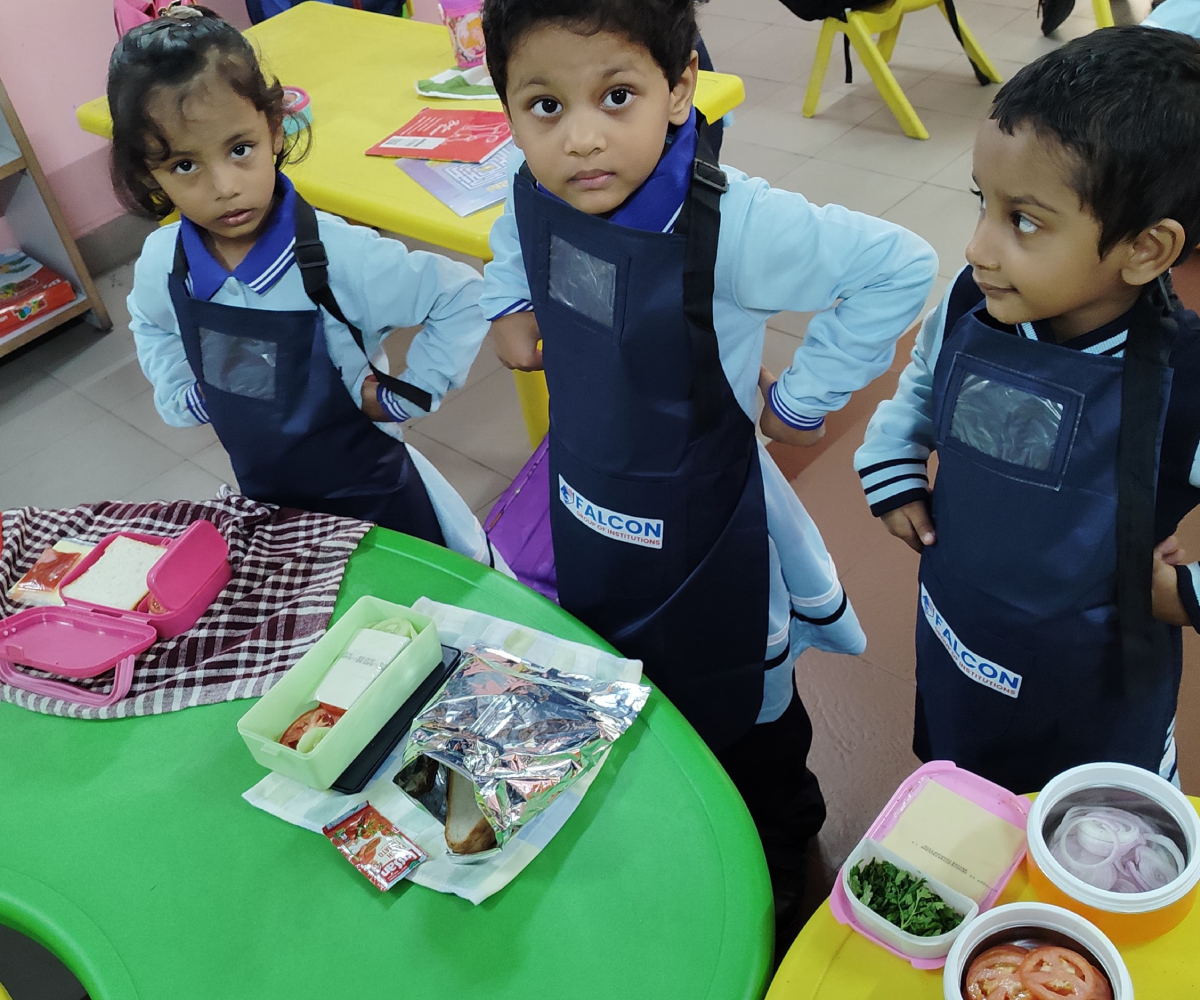
In today’s evolving educational ecosystem, the emphasis is steadily shifting from theoretical knowledge to practical, real-world competencies. One of the most effective ways to nurture independence and confidence among students is through experiential learning activities. A simple yet powerful example of this approach is hands-on food preparation, such as a live sandwich-making activity.
This engaging exercise goes beyond basic cooking—it becomes a strategic tool to develop essential life skills that students carry into everyday life.
What is Experiential Food Preparation?
Experiential food preparation is a learning method where students actively participate in preparing food, enabling them to learn by doing. Instead of passive observation, learners engage in tasks that require thinking, planning, and execution.
Activities like sandwich-making create a structured yet flexible environment where students can practice real-life scenarios safely and effectively.
Key Life Skills Developed Through Sandwich-Making Activities
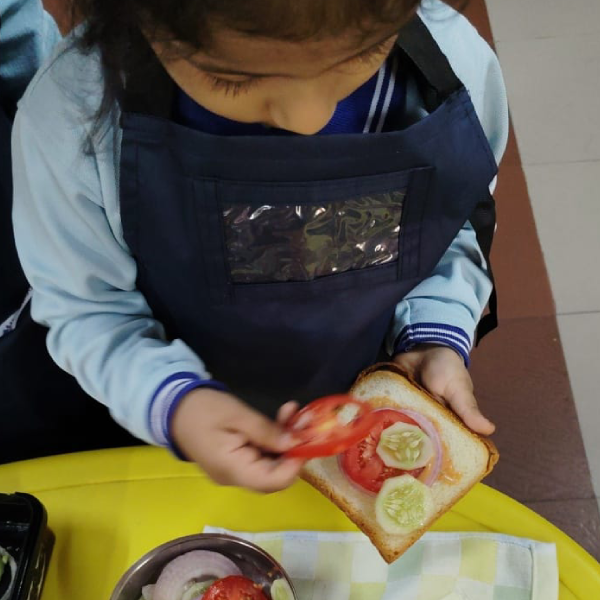
1. Decision-Making Skills Students are encouraged to make choices—selecting ingredients, deciding quantities, and customizing their sandwiches. This promotes critical thinking and empowers them to take ownership of their actions.
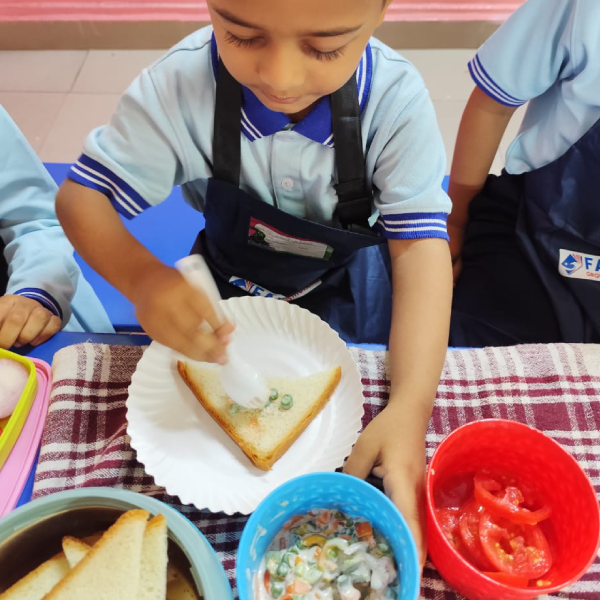
2. Sequencing and Planning Preparing a sandwich involves following a logical sequence: gathering ingredients, spreading, layering, and assembling. This helps students understand order, structure, and process management.
3. Motor Coordination From spreading butter to placing ingredients carefully, students enhance their fine motor skills and hand-eye coordination through repeated practice.
4. Independence and Confidence Successfully completing a task independently builds a strong sense of achievement. It reinforces self-reliance and boosts confidence in handling daily activities.
5. Social and Communication Skills Group activities encourage collaboration, sharing, and communication, helping students develop interpersonal skills in a natural setting.
Why Food-Based Activities Are Highly Effective
Food preparation activities are relatable, engaging, and immediately rewarding. Students can see, touch, and taste the results of their efforts, making the learning experience more impactful.
Additionally, these activities:
- Bridge the gap between classroom learning and real-life application
- Promote creativity and personalization
- Encourage responsibility and hygiene awareness
Real-World Application and Long-Term Benefits
The skills acquired through such activities extend far beyond the classroom. Students become better equipped to handle everyday tasks such as preparing meals, organizing routines, and making informed decisions.
Over time, these competencies contribute to:
- Improved self-sufficiency
- Enhanced problem-solving abilities
- Greater adaptability in daily life
Conclusion
Integrating experiential food preparation into learning frameworks is not just an innovative approach—it is a necessary evolution in education. Activities like sandwich-making provide a holistic platform for students to develop functional life skills in a practical and enjoyable way.
By investing in such hands-on experiences, educators and institutions can empower students to become confident, independent, and capable individuals ready to navigate real-world challenges.